
Crochet Russian Join
Crochet Russian Join - Web when to use the russian join. Web sometimes called the invisible join, or the russian knot, this is a fantastic technique to join new yarn quickly and without fuss. This post includes a video, written and photo tutorial on how to create it. These “tails” of yarn are. All of my patterns and tutorials use u.s. Stay tuned for a tutorial on that! It’s also a great option for leftover yarn projects using scrap yarn. Eliminate yarn tails and weaving in with this method! Web the russian join is an interesting way to add new yarn to your project that doesn't create knots or new ends to weave in. Take a look at how to. Web the russian join is a way of adding a new ball of yarn without knots, or ends to sew in. These “tails” of yarn are. Web the russian join involves working the yarn back through its own plies to keep it in place. Do this once on the working yarn, and once on the new skein of yarn, connecting the two together in the. While you can get really good at it, it’s often hard to have the color change be at the perfect spot. Web learn how to make a knotless russian join with emi harrington.this is a really neat technique that will leave your patterns flawless. Made with crochet thread but using simple stitches, the construction of this flower is where the difficulty lies. If you’re switching colors at the end of the row, keep knitting/crocheting until you reach the end of the row, then cut your yarn, leaving a tail that’s a few inches long. Web when to use the russian join. Web in this video you will learn how to crochet the russian join! It’s also a great option for leftover yarn projects using scrap yarn. As enjoyable as it is to crochet and knit, weaving in ends is generally not part of the fun. I tend to like this type of join when you are adding a new ball of yarn, not. These “tails” of yarn are. Take a look at how to. It’s also a great option for leftover yarn projects using scrap yarn. I particularly like this trick for joining a new skein of the same colour when i’m in the middle of a crochet project. Web the russian join is one of the absolute best ways to join yarn due to it’s secure hold and invisible finish. Rip back 4. Web the russian join is an interesting way to add new yarn to your project that doesn't create knots or new ends to weave in. It’s also very secure so you don’t need to worry about anything working it’s way out and unravelling. As enjoyable as it is to crochet and knit, weaving in ends is generally not part of. It may take a couple of practice tries to master this. Web ready to take your crochet and knitting up a notch with the russian join? In fact, if you talk to crocheters about it, oftentimes you’ll discover that weaving in the ends is their least favorite part of their projects!. Skip weaving in ends and stop relying knots with. Web ready to take your crochet and knitting up a notch with the russian join? Watch this video, get some free crochet patterns and practice! For more information on the tutorial and patterns, includin. The biggest advantage to the russian join is that you do not have any ends to weave in. Web when to use the russian join. It does leave a small amount of bulk, but it’s hardly noticeable — especially compared to other types of joins in knitting and crochet. Rip back 4 or 5 stitches and work your russian join, then reknit or crochet the stitches that you ripped out. This post includes a video, written and photo tutorial on how to create it. To. The russian join is a clever technique used in both crochet and knitting projects. The russian join is great to use if you are no changing colors with your yarn. The russian join is one of the best ways to join yarn, in my opinion. One of many tips and tricks i have! For more information on the tutorial and. While you can get really good at it, it’s often hard to have the color change be at the perfect spot. This is a simple way to join two different yarns together by winding the plies of the yarn together with a tapestry needle or yarn needle. Take a look at how to. Web the russian join is an interesting. Web stop weaving in your yarn tails! Web ♥ watch the magic knot tutorial: It’s versatile and creates a seamless yarn join that can be used for knit or crochet, knitting in the round (circular knitting), or flat knitting. Web the russian join is one of the absolute best ways to join yarn due to it’s secure hold and invisible. These “tails” of yarn are. For more information on the tutorial and patterns, includin. Eliminate yarn tails and weaving in with this method! Web in this video you will learn how to crochet the russian join! It may take a couple of practice tries to master this. Made with crochet thread but using simple stitches, the construction of this flower is where the difficulty lies. Learn to join your yarn. Eliminate yarn tails and weaving in with this method! Take a look at how to. The biggest advantage to the russian join is that you do not have any ends to weave in. If you’re switching colors at the end of the row, keep knitting/crocheting until you reach the end of the row, then cut your yarn, leaving a tail that’s a few inches long. For more information on the tutorial and patterns, includin. It’s also very secure so you don’t need to worry about anything working it’s way out and unravelling. Web let me show you! It may take a couple of practice tries to master this. Stay tuned for a tutorial on that! You can use it in the middle of a project to join in new yarn without weaving in ends later, or you can use it to organize your smaller bits of stash yarn to create a “magic yarn ball.” it’s a fairly straightforward process, but it can be a bit tricky to hold and navigate with a tapestry. In fact, if you talk to crocheters about it, oftentimes you’ll discover that weaving in the ends is their least favorite part of their projects!. Web sometimes called the invisible join, or the russian knot, this is a fantastic technique to join new yarn quickly and without fuss. Basic skills with needle and thread (such as, weaving in ends) advantages of the russian join Do this once on the working yarn, and once on the new skein of yarn, connecting the two together in the.
The Russian Join Crochet Basics with Crochet basics, Crochet tattoo

The Russian Join Technique / Crochet Crochet Pinterest Joining

How To Attach Yarn Using the Russian Join Knitting Help, Loom Knitting

CrochetBasics The Russian Join YouTube

Learn to use a Russian join in your crochet or knitting! Joining yarn
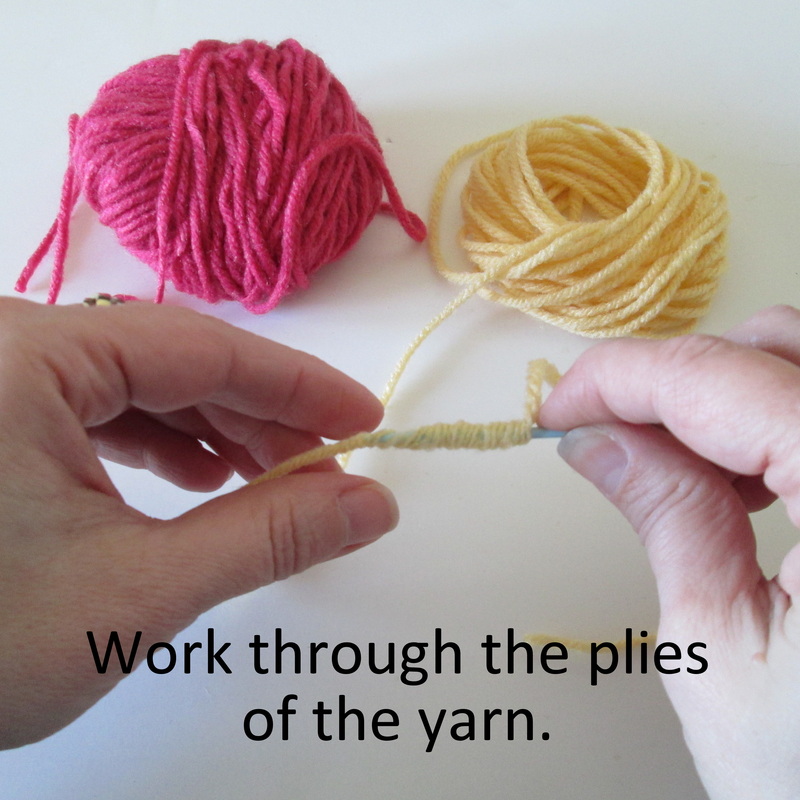
LiaKnits How To Attach Yarn Using the Russian Join
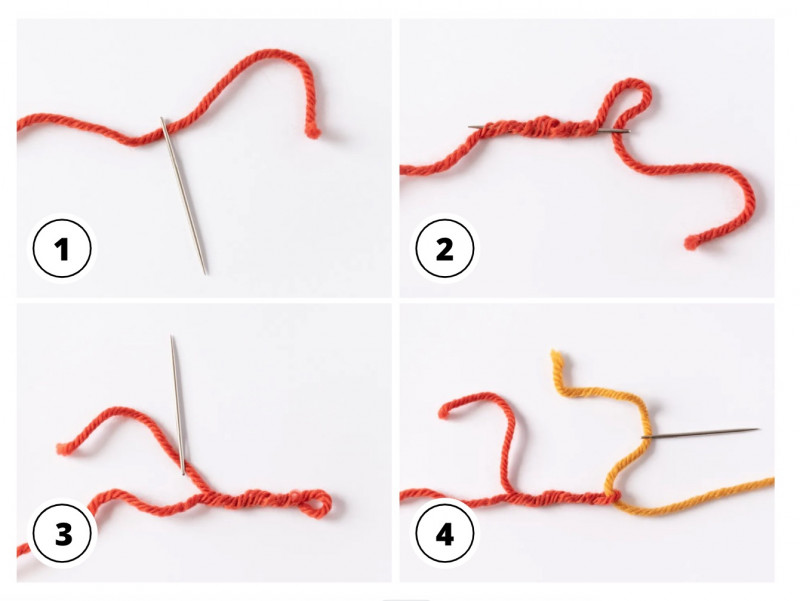
Russian Join for Crocheting and Knitting — Brilliant Life Hacks
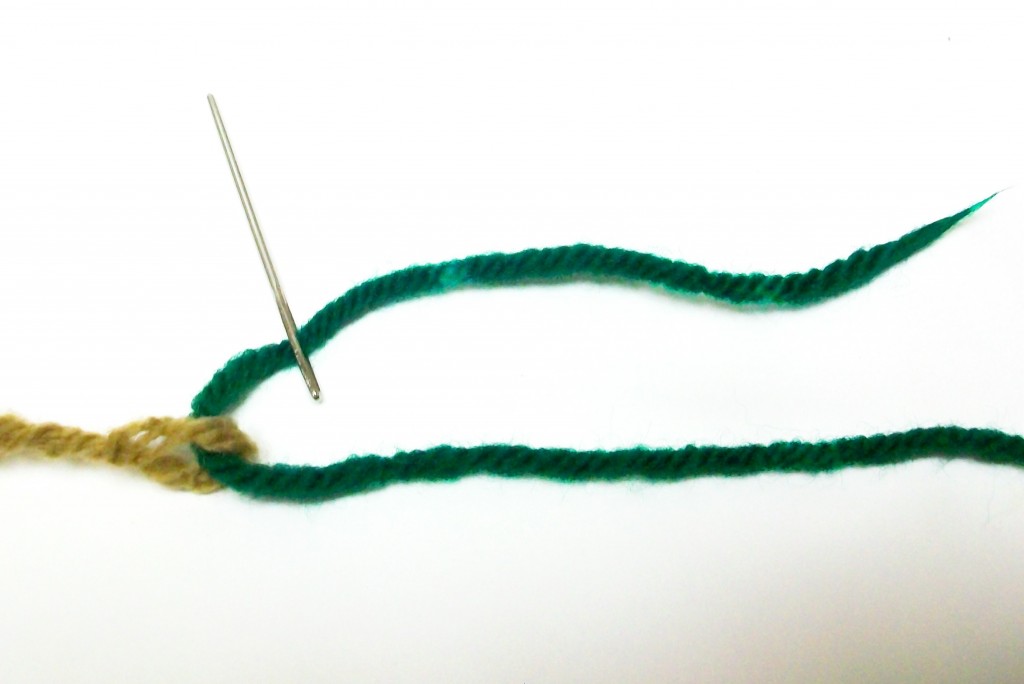
Crochet Spot » Blog Archive » How to Make a Russian Join Crochet

How to Do a Russian Join Crochet Tutorial Stitcherella YouTube

Russian Join Yarn Without Knots or Ends a Tutorial from B.Hooked Knit
Web The Russian Join Is A Great Method For Splicing Together Yarn.
The Only Thing I Hate About Crocheting Is Having To Weave In Yarn Ends.
The Proper Tool For Completing This Is To Use Either A Yarn Needle Or Tapestry Needle, Which Is Then Spliced And Threaded Through Your Yarn.
The Russian Join Is Great To Use If You Are No Changing Colors With Your Yarn.
Related Post: